


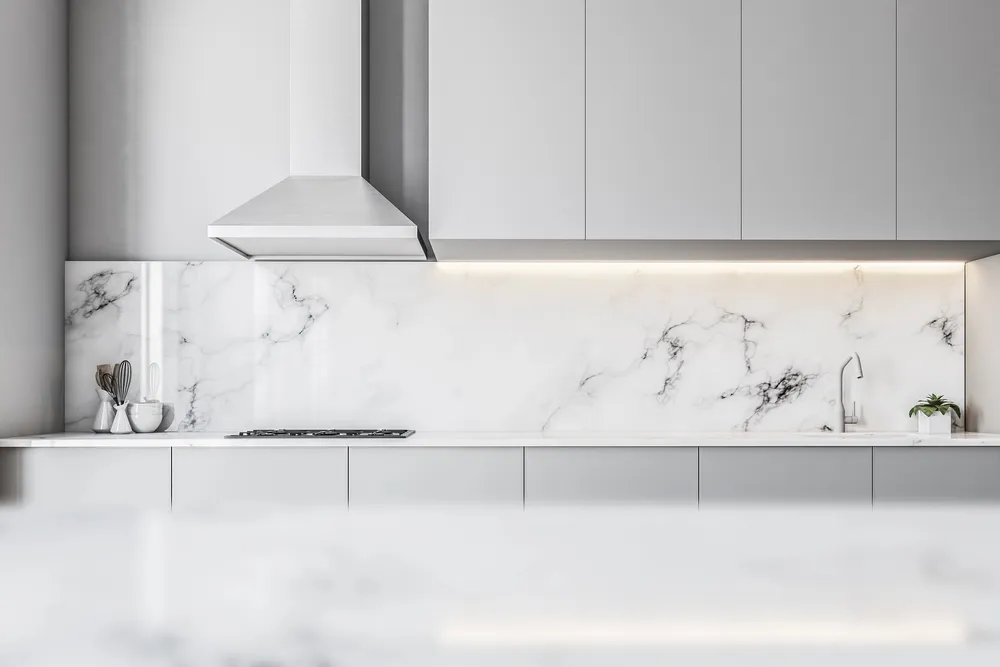
Countertops are one of the most important elements in kitchens and bathrooms, serving both functional and aesthetic purposes. When homeowners consider upgrading or remodeling, the choice often comes down to engineered stone versus natural stone. Both materials have distinct qualities, advantages, and drawbacks, and understanding their differences is essential for making an informed decision. Engineered stone, commonly known as quartz, is a man-made product that combines natural quartz crystals with resins and pigments. Natural stone, on the other hand, includes materials such as granite, marble, and soapstone, which are quarried directly from the earth. Each option offers unique characteristics that influence durability, appearance, cost, and maintenance.
Composition and Manufacturing
The primary difference between engineered stone and natural stone lies in their composition. Engineered stone is manufactured by blending crushed quartz with polymer resins and color pigments. This process creates a non-porous, uniform surface that is highly resistant to stains and scratches. Because it is engineered, manufacturers can control the color, pattern, and texture, resulting in a wide range of design options.
Natural stone countertops are cut from large slabs of stone extracted from quarries. Each slab is unique, with variations in veining, color, and texture that cannot be replicated. Granite, for example, is formed from cooled magma and contains a mix of minerals that give it distinctive patterns. Marble is composed of metamorphosed limestone, known for its elegant veining. The uniqueness of natural stone is one of its greatest appeals, offering homeowners a one-of-a-kind surface.


Appearance and Design Options
Engineered stone offers consistency in appearance, which is ideal for homeowners who want a uniform look across large surfaces. It can mimic the appearance of natural stone, including marble and granite, while also offering colors and patterns not found in nature. This flexibility makes engineered stone suitable for modern, contemporary, and minimalist designs.
Natural stone, by contrast, is prized for its individuality. No two slabs are identical, and the natural variations create a sense of authenticity and luxury. The veining in marble or the speckled patterns in granite add character and depth to countertops. For homeowners who value uniqueness and natural beauty, natural stone remains a preferred choice.
Durability and Maintenance
Durability is another key factor in comparing engineered and natural stone. Engineered stone is non-porous, meaning it resists stains, bacteria, and moisture without requiring sealing. It is also highly resistant to scratches and chips, making it a practical choice for busy kitchens. Maintenance is straightforward, requiring only mild soap and water for cleaning.
Natural stone, while durable, is porous and requires regular sealing to prevent stains and moisture damage. Granite is relatively resistant to scratches and heat, but marble is softer and more prone to etching from acidic substances. Soapstone, though less common, is softer and can scratch easily but is resistant to heat and chemicals. Maintenance for natural stone involves periodic sealing and careful cleaning to preserve its appearance.
Costs and Value
Cost is often a deciding factor for homeowners. Engineered stone typically falls within a mid-to-high price range, depending on the brand and design. While it may be more expensive than laminate or tile, it is generally more affordable than premium natural stones like marble. Its durability and low maintenance make it a cost-effective option in the long run.
Natural stone prices vary widely depending on the type of stone and rarity of the slab. Granite is often more affordable than marble, while exotic stones can be significantly more expensive. The uniqueness of natural stone adds value to a property, particularly for buyers who appreciate authentic materials. However, the higher maintenance requirements may offset some of the long-term benefits.
Environmental Considerations
Engineered stone is manufactured using resins and pigments, which involve industrial processes. While some manufacturers incorporate recycled materials, the production process can have environmental impacts. Natural stone, being quarried directly from the earth, is a natural resource, but quarrying also has ecological consequences. Sustainability depends on sourcing practices, transportation, and the longevity of the material. Both options can be environmentally responsible if chosen from reputable suppliers who prioritize sustainable practices.
Conclusion
The choice between engineered stone and natural stone countertops depends on individual priorities. Engineered stone offers consistency, durability, and low maintenance, making it ideal for homeowners seeking practicality and modern design flexibility. Natural stone, on the other hand, provides unmatched uniqueness, authenticity, and timeless beauty, appealing to those who value natural aesthetics. Costs, maintenance, and environmental considerations also play important roles in the decision-making process. By understanding the key differences, homeowners can select the countertop material that best suits their lifestyle, design preferences, and long-term goals. Transform your living space into a modern masterpiece with expert guidance from NYCrenovation.com.
Read also – Upgrade your home for less: Discover smart home improvement solutions at Merkury Market