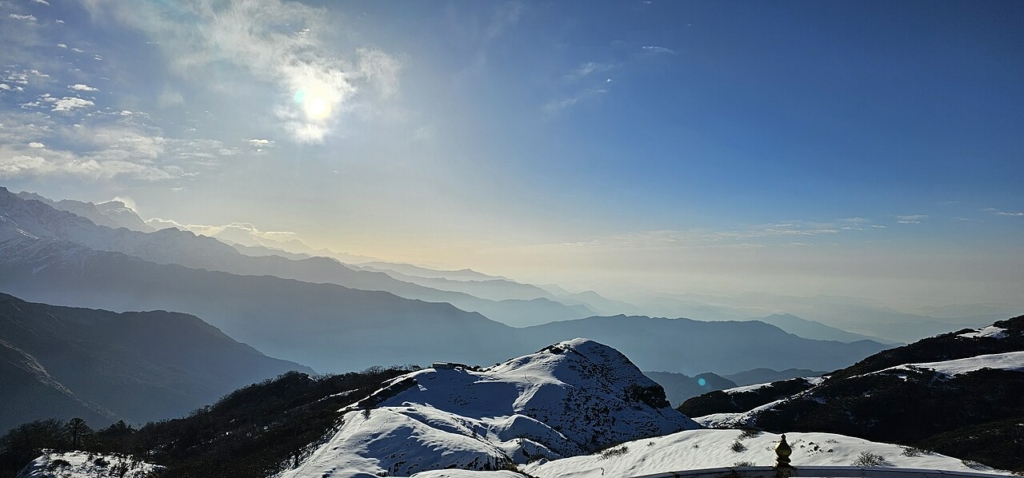
Looking for a chance to feel the mountain lifting your head up as your eyes meet? The Annapurna Base Camp trek is perfect for you; it is one of the most popular hikes in the world, and for good reason. This journey doesn’t require ropes, ice axes, or survival skills that one would use to climb a dangerous mountain. All you need is a good pair of walking shoes, a basic amount of fitness, and an appreciation of the natural world.
Collaborative content
This hike includes a bit of everything in one to two weeks of hiking. You are going to pass through warm, green river valleys, climb through colorful flower woods, and then come into a circle of snow-covered mountaintops. It is the ideal place to leave the noise and pollution of the city and enjoy peace, fresh air, and life in its simplicity.
Starting in the Green Modi Khola Valley
Typically, your grand expedition starts off from the beautiful lakeside town of Pokhara and is greeted at the starting point, titled Birenthanti, which is a short drive away. You next pass through a wobbly but safe metal suspension bridge and then begin a walk along the picturesque valley of the Modi Khola River. The climate is fairly warm and subtropical at the foot of the valley!
Your first couple of days pass by through similar terrain: the bright green fields of local farmers with rice, corn, and fresh vegetable crops. Climb upward as the rushing river heads softly, offering you a song of peace. You will be sharing the trail with many local kids as they make their way to school, farmers carrying their baskets, and mules drawn to the mountain by trains. A great and exciting beginning to your hiking journey!
The Magical Forests of Ghorepani
As you move higher, you will face one of the biggest obstacles that is physical challenges of the trip: climbing thousands of stone steps up the steep hillsides. However, the prize at the top is really amazing. The village of Ghorepani will be reached. This is a magical forest which you enter as you walk towards this village. Annapurna is also the place where one can find the largest rhododendron forest in the world.
Rhododendrons are large trees sporting beautiful and colorful flowers. In spring (March-Oct), the whole forest is flushing all hues of white, pink, and red. Rhododendron, the bright red flower which is popularly known as “Lali Gurans”, is in fact Nepal’s national flower; entire hillsides made of millions of flowers of Lali Gurans are so much like a breath of nature in the form of a painting.
Sunrise Views from Poon Hill
When you stay in Ghorepani, you usually wake up very early in the morning, long before the sun rises. With a flashlight in your hand, you hike up a nearby hill called Poon Hill. This is from the height of this hill, you can see the sun come up and illuminate the huge mountains for the very first time.
The impressive mountains of Dhaulagiri and the Annapurna range can be seen in the background. A really essential part of the trek to Poon Hill comes when you start to get to that summit, and the sky changes color in the evening from a dark shade of pink to orange, and then to a bright blue. It is a point in the trek that many say they love the most.
A Massive Zoo of Wildlife and Nature
The whole journey is within the Annapurna Conservation Area. It is the first (and biggest) protected nature area in Nepal, covering a huge 7629 km². The land ranges from low, warm valleys up to freezing mountain peaks such as Annapurna I (8091 meters), and there are an insane amount of different plants and animals.
While walking, you are basically moving through a massive, open-air natural zoo. The park is home to 105 species of mammals, 40 species of reptiles, and more than 500 species of birds, all of which are safe in the park. For good fortune, you may see the cute red pandas, the mountain deer or musk deer, wild blue sheep, or the brightly colored pheasants of Nepal in the bushes. Also, up in the snowy rocks is the rare and beautiful snow leopard, though it is very shy and hard to see. It is even home to the Kali Gandaki Gorge, the world’s deepest gorge.
Friendly Villages and Cozy Teahouses
The people of Nepal are one of the reasons that make it a unique destination for trekking compared to other countries. Gurung and Magar people live in the lower part of the Annapurna trek. The communities are strong and kind, and they have inhabited the mountains for hundreds of years.
This trek is not the same one where one must bring a heavy tent and cooking pots. Rather, you sleep in „teahouses.” These are family-run, small, cosy mountain lodges. A warm bed, hot water, and a cosy dining room with a fire. During the evening, trekkers sit around together to play card games, tell stories, and consume monstrous portions of Dal Bhat, a Nepalese dish of rice, lentil soup, and vegetable curry that provides the walker with plenty of energy.
The advantage of staying in these teahouses is that your money is directly spent with the local families. The conservation project follows special rules and, as a consequence, funds for school construction, planting new trees, and health clinics for the inhabitants of these distant villages come from park entry fees.
Entering the Hidden Annapurna Sanctuary
As you leave the lower villages behind and walk higher up the Modi Khola river gorge, the landscape changes completely. The tall, green trees start to get smaller, turning into tough bushes and finally into open, rocky fields. The air gets cooler and thinner. You are now entering what is known as the Annapurna Sanctuary.
The Sanctuary is a hidden glacial basin. Imagine a giant bowl made of solid rock and thick ice, totally surrounded by a ring of huge mountains. To get inside this bowl, you have to walk through a narrow path carved out by the river over thousands of years. It feels like you are walking through a secret door into another world.
The Ultimate Goal – Annapurna Base Camp
One of the most important events is when you arrive at your end, which is Annapurna Base Camp. The camp is located at a very high altitude, at the base of the mountains. Stand in the middle of the base camp, and you have mountains all around you for a full 360 degrees. There is nothing to look at but the snow.
The wall of Annapurna I, the tenth-highest mountain in the world, will be visible there as a gigantic ice wall. Apart from that, you will have the opportunity to see the crop of mountains, well known as the ‘Fishtail’ mountain due to its unique shape at the top, called Machhapuchhre. The mountain has been regarded as sacred by the local people and is totally prohibited from being climbed by the Government.
From the base camp, one can see the glaciers and occasionally feel the cracking ice during their ablation phase, and hear the glaciers as they journey. It’s a rapturous, inspiring feeling to lie at night beneath these glowing stars, looking away from any city lights, and to see the morning sun play with the snow, like the light is glowing in brilliant white.
For trekkers planning this journey, choosing an experienced local trekking operator can make the experience smoother and more comfortable. Nepal Hiking Team, a trusted trekking operator in Nepal, provides guided Annapurna Base Camp treks with experienced local guides and carefully planned itineraries.
Conclusion
The Annapurna Base Camp trek for those who desire a safe and highly rewarding experience of the true magic of the Himalayas. It allows you to hike through enchanted forests of flowers, catch a glimpse of rare wildlife, and befriend friendly locals. Getting out of bed, having a good breakfast, and walking out into nature throughout the day cleanses the brain and strengthens the body.
The ultimate reward at the end, standing inside a jumbo-sized snowy mountain secret circle, will just blow you away, and you will have amazing memories and photos to cherish for a lifetime. If the idea of a vacation time full of rich natural beauty, amazing culture, and simple and joyful walking is at the top of your travel list, then the Annapurna Base Camp trek is definitely on the list.
Disclaimer: the author(s) of the sponsored article(s) are solely responsible for any opinions expressed or offers made. These opinions do not necessarily reflect the official position of HellóMagyar, and the editorial staff cannot be held responsible for their veracity.